

Starting your real estate investment journey can feel intimidating. With so many property types and market opinions, beginners often hesitate, wondering where to begin. The good news? Residential properties offer a simple, reliable, and confidence-building entry point. For new investors, they combine stability, affordability, and steady returns—making them the smartest first step into real estate.

What Makes Residential Properties So Appealing?
Residential properties are homes designed for everyday living—apartments, houses, villas, or small rental units. Since people always need a place to live, these properties naturally attract consistent demand. This built-in necessity makes residential real estate one of the most dependable investment options for beginners.
A Safer First Investment
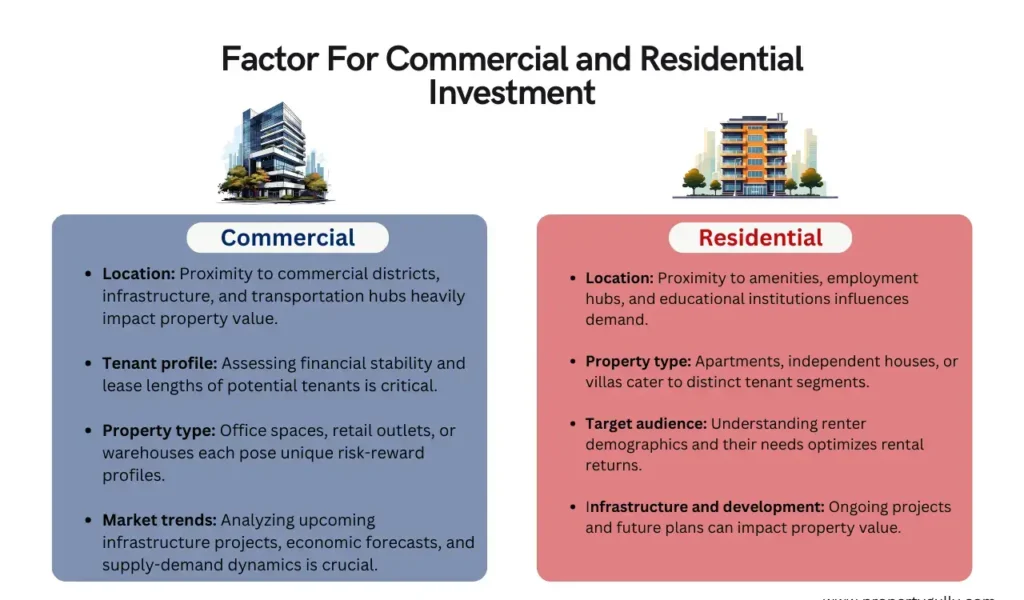
Unlike commercial properties that depend heavily on business performance, residential investments remain stable even during economic slowdowns. Families, students, and professionals continue renting homes, which helps protect your income and property value. For first-time investors, this lower risk means peace of mind.
Easy to Start, Easier to Grow
One of the biggest advantages of residential investing is affordability. Entry costs are usually lower, financing options are more flexible, and bank loans are easier to secure. This allows beginners to start small, learn gradually, and expand their portfolio over time.
Strong Rental Demand = Steady Income
Residential properties offer predictable monthly rental income. This steady cash flow helps manage loan payments, cover maintenance costs, and generate passive income. For new investors, this financial consistency builds confidence and reduces uncertainty.

Simple to Manage, Simple to Learn
Managing a residential property is far less complex than handling commercial assets. Maintenance issues are usually minor, tenant communication is straightforward, and legal processes are easier to understand. This simplicity allows beginners to gain real-world experience without feeling overwhelmed.
Investor-Friendly Financing & Tax Benefits
Banks consider residential properties safer investments, which often means lower interest rates and longer loan tenures. Additionally, many regions offer tax benefits on home loans and rental income, further improving your returns.
A Strong Foundation for Long-Term Wealth
Residential properties don’t just provide short-term income—they grow in value over time. With consistent appreciation and rental earnings, they become powerful tools for long-term wealth creation and financial security.

What New Investors Should Focus On
To make the most of your investment:
- Choose locations with strong rental demand
- Check legal clearances carefully
- Estimate maintenance costs realistically
- Think long-term, not just short-term gains
Smart decisions at the start lead to better results later.
- Home Buying Guide 2026: Best Residential Properties to Consider

- Personal Finance Guide 2026: Simple Tips to Manage Your Money Better

- Product Buying Guide 2026: What to Check Before You Buy

Final Takeaway
For beginners, residential properties strike the perfect balance between safety, simplicity, and profitability. They allow new investors to learn, earn, and grow with confidence. If you’re looking to step into real estate without unnecessary risk, residential investment is the best place to begin.
This content is provided for informational and educational purposes only and should not be considered financial, legal, or investment advice. Real estate investments involve market risks, and returns may vary based on location, market conditions, and individual circumstances.
#ResidentialProperties #RealEstateInvestment #NewInvestors #FirstTimeInvestors #Carrerbook #Anslation #PropertyInvestment #BeginnerInvesting #RealEstateTips #WealthBuilding #SmartInvesting #RentalIncome