

There is something funny about saving money. At the start of the month, it feels completely possible.
You get your money, look at your balance and think, “This time I am going to be careful.”
Then a normal week happens.
You take a cab because you are already late. You order lunch because you have no energy to cook. You see a pair of shoes online and think they are too good to leave. A subscription gets renewed in the background. Then there is a coffee here, a snack there, and a few small online payments that you barely remember making.
None of these expenses looks dangerous on its own.
The surprise usually comes when you check your balance later.
That is why I think saving money is not really about becoming extremely strict. It is more about noticing your own spending habits. You do not need to stop enjoying your life just because you want to save. Going out with friends, ordering your favourite meal or buying something new once in a while is completely normal.
The trick is knowing which expenses are worth it to you and which ones happen simply because spending has become so easy.
In 2026, almost everything is available through a phone. Food, clothes, groceries, entertainment, travel bookings and countless other things are only a few taps away. That convenience is useful, but it can also make money disappear without much thought.
So, if saving has been difficult lately, start with the simple stuff.
First, Find Out Where Your Money Is Going
Before changing your spending, look at it honestly.
Open your bank account or payment history and scroll through the last few weeks. You do not need a fancy finance app or a complicated spreadsheet for this.
Just look.
You might find that you are spending more on food outside than you thought. Maybe there are several small shopping purchases. Maybe you are paying for an app you stopped using months ago.
Sometimes the problem becomes obvious only when everything is sitting together on one screen.
I find it useful to divide expenses into a few basic groups:
- Food and groceries
- Travel
- Bills
- Shopping
- Entertainment
- Subscriptions
- Other spending
Do not worry about making the categories perfect. The purpose is simply to get a rough picture of your month.
Once you know where your money has actually gone, it becomes much easier to decide what needs attention.
Make a Budget You Can Actually Live With
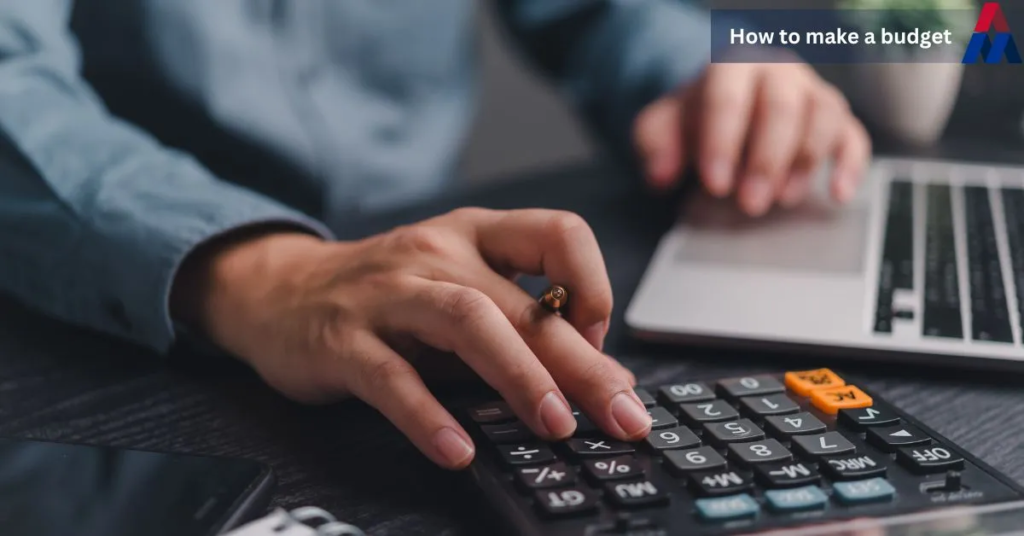
A budget that looks perfect on paper can be completely useless in real life.
Suppose you normally go out with friends once or twice a month. If your budget says you cannot spend anything on outings, you are probably going to break that budget sooner or later.
The same goes for shopping, eating out or hobbies.
Instead of pretending these things do not exist, give them a reasonable place in your spending plan.
Start with the expenses that have to be paid. Rent, bills, groceries, transport, phone costs and other regular payments come first. After that, look at what is available for everything else.
You might decide to keep a fixed amount for eating out or personal shopping.
It does not have to be a huge amount.
The point is to know your limit before you start spending.
A budget should make your money easier to manage. It should not make you feel guilty every time you buy a coffee.
Stop Letting Discounts Make the Decision for You

Online sales can be surprisingly convincing.
You may open an app just to check something and suddenly find yourself looking at a “limited-time offer.” The product has 40% off, only a few pieces are left, and there is a countdown somewhere on the page.
Suddenly, a thing you did not need ten minutes ago feels urgent.
I have found that a short pause helps.
Before pressing the buy button, ask yourself why you want it.
Did you need it before seeing the sale?
Will you actually use it?
Do you already own something similar?
Would you buy it if it were sold at the normal price?
That last question is particularly useful.
If the discount is the only reason the product seems attractive, there is a good chance you can leave it in your cart.
And there is no shame in doing that. Sometimes the money you do not spend is the best deal you get.
Look at the Final Bill, Not Just the Discount
A big discount number can make a purchase look better than it really is.
Imagine something costs ₹2,000 and the website says you are getting it for ₹1,400. Seeing “₹600 saved” feels nice.
But the important number is still ₹1,400.
Before paying, look at the final amount. Check delivery charges, taxes, additional fees and any conditions attached to cashback or bank offers.
For bigger purchases, compare prices on a couple of websites rather than assuming the first offer is the best one.
Most importantly, ask yourself whether you wanted the item in the first place.
Saving ₹600 does not mean much if you have spent ₹1,400 on something that will sit unused in a cupboard.
Have a Look in the Kitchen Before Shopping

Grocery shopping has a funny way of getting out of control.
You go in for a few basic things and come back with snacks, drinks, extra packets, cleaning products and three things that were already sitting at home.
Before making your grocery list, check your kitchen.
Open the cupboard. Look inside the refrigerator. See what is actually missing.
You may already have enough rice, flour, spices or snacks for the next few days. Using those things first can reduce the next shopping bill without requiring any special saving technique.
It also helps to plan meals around what you already have.
And do not automatically assume that the biggest packet is the cheapest choice. If you live alone or use something slowly, a large pack can sit around for ages.
Buying less is sometimes smarter than buying more for a slightly lower per-unit price.
Give Food Delivery a Place in Your Budget
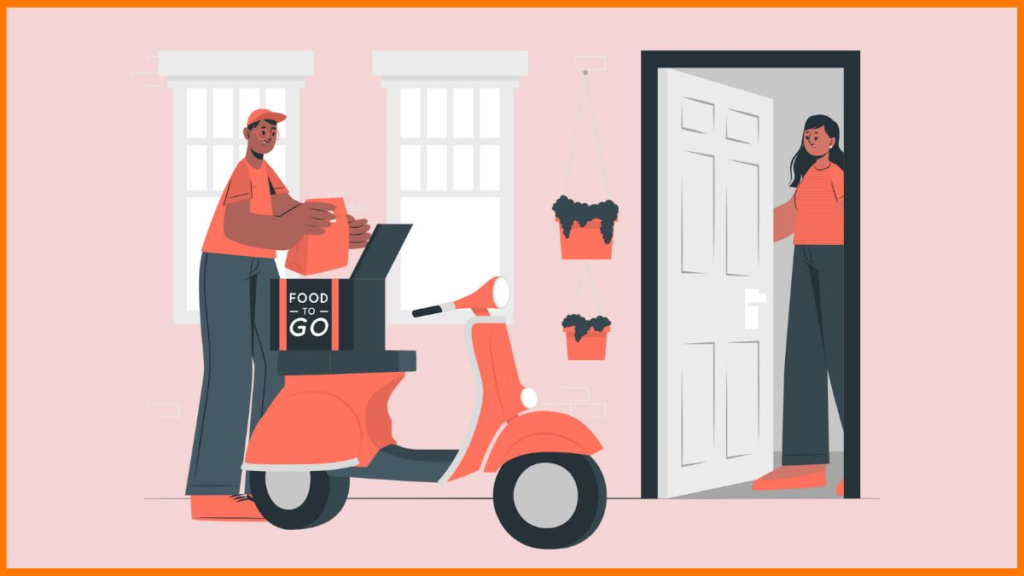
Food delivery is useful. There are days when cooking simply is not happening.
Maybe you have been working all day. Maybe college was exhausting. Maybe you reached home late and have no interest in standing in the kitchen.
That is real life.
The issue is when ordering becomes the automatic answer to being hungry.
A meal that looks like ₹250 can turn into a much larger bill once delivery fees, taxes, drinks or extras are added. Do that several times during the week and the amount becomes noticeable.
Instead of banning food delivery completely, decide how often you are comfortable ordering.
You can also keep a few very easy foods at home for those “I cannot cook today” evenings. Bread, eggs, fruit, poha, noodles or another quick option can be enough.
Sometimes the best way to avoid ordering is simply to have something available when you are too tired to think.
Check Those Automatic Payments

Subscriptions are easy to forget because you do not have to make the payment manually every month.
That is exactly why they deserve a check.
Think about the services you have joined recently. Streaming platforms, music apps, cloud storage, fitness apps, learning platforms and other memberships can all add up.
Maybe you signed up because you wanted to watch one series. Maybe you took a free trial and forgot to cancel it. Maybe you used an app regularly six months ago but have not opened it since.
Go through your subscriptions every few months.
If something is no longer useful, cancel it.
It may only be ₹100 or ₹200 a month, but several forgotten payments can become a decent amount over a year.
And if you miss the service later, you can always subscribe again.
Do Not Wait for the End of the Month to Save
“I will save whatever is left” sounds like a reasonable plan.
In practice, it often does not work.
Money gets used for bills, food, travel, shopping, outings and unexpected expenses. Then suddenly it is the last week of the month and you are looking at your account thinking, “Where did it go?”
Try saving a small amount earlier.
As soon as your income arrives, move a comfortable amount into savings.
For one person that might be ₹500. For another, it could be ₹2,000 or more. There is no magic number that works for everyone.
If money is tight, start small.
The first goal is to make saving something you do regularly rather than something you remember only when the month is almost over.
Keep a Little Money Aside for Bad Days
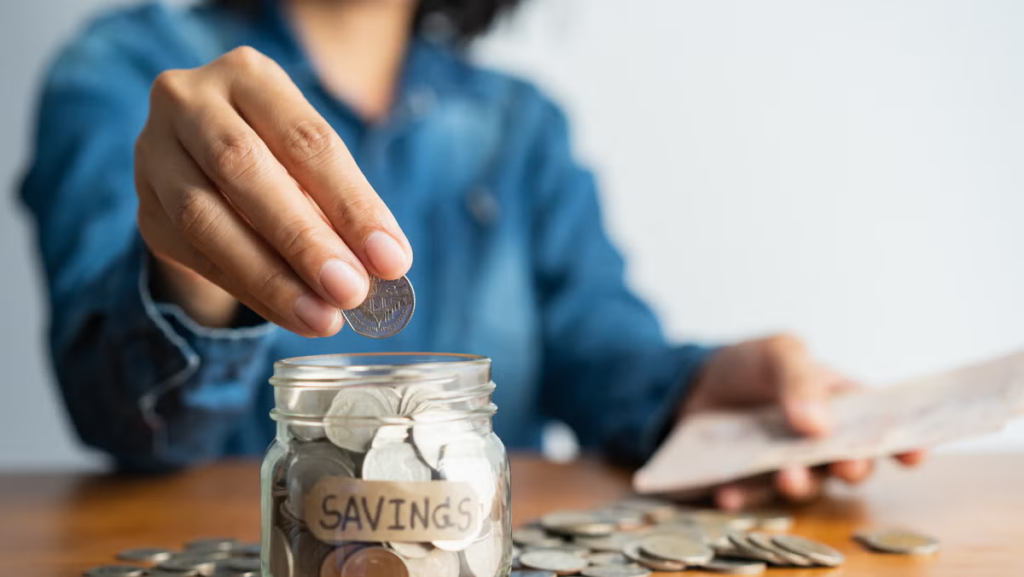
Unexpected expenses are part of life.
Your phone can break. A household appliance can stop working. You might suddenly need to travel somewhere. An unexpected bill can arrive when you already have other payments waiting.
This is where emergency savings can make a real difference.
You do not need to build a huge emergency fund immediately. Start with a small amount and add to it whenever possible.
It is also a good idea to keep this money separate from the account or balance you use for everyday spending.
When emergency money is sitting right next to your shopping money, it can be tempting to use it for something that is not actually an emergency.
Think of it as your financial backup.
Hopefully, you will not need it often. But when something unexpected happens, having that cushion can take away some of the stress.
Pay Attention to the Purchases You Forget About
Some spending is memorable.
You remember buying a phone. You remember paying for a holiday. You remember purchasing a new pair of shoes.
But do you remember every ₹50 snack or ₹100 coffee from the past month?
Probably not.
That is why small spending can be tricky.
One coffee is not going to ruin your budget. Neither is one auto ride or one snack. The problem is when these little expenses become part of every day.
Try changing just one routine.
Carry water from home. Make coffee at home a few mornings a week. Take public transport when it makes sense. Keep something small to eat in your bag when you know you will be outside for hours.
You do not need to become the person who refuses every small treat.
Just notice the things you are buying out of habit.
Keep Your Gadgets Until You Actually Need an Upgrade

There is always a newer phone.
There is always a new smartwatch, laptop, tablet or pair of earbuds with a slightly better feature.
It can be tempting, especially when you keep seeing the products on social media.
But before replacing something, look at the device you already own.
Is it working properly?
Is it slowing down your work?
Is it damaged?
Is there a feature you genuinely need that your current device cannot provide?
If everything is working fine, there may not be a good reason to upgrade immediately.
Of course, sometimes replacing a device makes sense. If your phone is constantly crashing or your laptop can no longer handle your work, buying a new one may be the practical choice.
The idea is simply to upgrade because you need to, not because a newer model has appeared.
Remember That Social Media Is Not a Financial Comparison
It is easy to feel like everyone else is spending more.
You see holidays, restaurants, new clothes, expensive gadgets, room makeovers and shopping hauls almost every day.
After a while, it can make your own lifestyle feel smaller.
But a social media post does not show someone’s complete financial situation.
You do not know what they earn, what they save, what they owe or what responsibilities they have.
So your spending should not be based on someone else’s Instagram feed.
If you want to travel, make a travel fund. If you want a new phone, save for it. If you are trying to build financial security, give that priority.
Your money has to support your life, not somebody else’s online lifestyle.
Give Your Savings a Reason
Saving “for later” can feel boring.
Saving for something specific feels different.
Maybe you want a new laptop. Maybe you are planning a trip. Perhaps you want to build an emergency fund or pay for a course.
Write down the amount you need.
For example, instead of saying, “I should save more,” you might decide that you want to collect ₹20,000 for a particular goal.
Now the money has a purpose.
When you are about to spend ₹1,000 on something random, you may think twice because you know exactly what else that ₹1,000 could do.
A clear goal gives saving a little more meaning.
Spend Fifteen Minutes With Your Money
You do not need to become an expert in personal finance.
Once a month, sit down for fifteen minutes and look at what happened.
Check your transactions.
Look at the categories where you spent the most.
Think about the purchases you would make again and the ones you probably could have skipped.
Then ask yourself one simple question:
What do I want to do differently next month?
Just choose one thing.
Maybe you will reduce food delivery. Maybe you will stop browsing shopping apps late at night. Maybe you will put another ₹500 into savings.
One change is enough.
You can always make another adjustment next month.
Saving Money Should Still Leave Room for Life
There is a point where saving becomes so strict that you stop enjoying your own money.
That is not the idea.
Money is supposed to help you live your life too.
If you enjoy going out with friends, keep some money for it. If you love eating at your favourite restaurant once in a while, plan for it. If buying a book or a new outfit makes you happy, include that kind of spending instead of pretending you will never do it.
The important difference is between spending deliberately and spending without noticing.
You may decide that one dinner out is worth ₹800, while three random online purchases are not.
That is perfectly fine.
Good money management is not about saying no to everything. It is about knowing what you are saying yes to.
Final Thoughts
Saving money rarely comes down to one huge sacrifice.
Most of the time, it is a collection of ordinary decisions.
You check the price before buying. You use the groceries already sitting in your kitchen. You cancel the subscription you forgot about. You wait a day before purchasing something from a sale. You save a little when your income arrives.
Some months will go exactly as planned.
Other months will not.
There might be a family event, a repair, an unexpected journey or simply a few expenses you did not see coming. That does not mean your entire saving plan has failed.
Look at what happened, make the adjustment you need and continue.
The biggest change often comes when you stop asking yourself, “How can I spend nothing?”
A better question is, “What is actually worth my money?”
Once you start thinking that way, saving becomes less about restriction and more about choice.
You still get to enjoy your money. You simply become more careful about where you send it.
And when you check your account at the end of the month, hopefully there is a little less of that familiar feeling of wondering where all the money disappeared.