
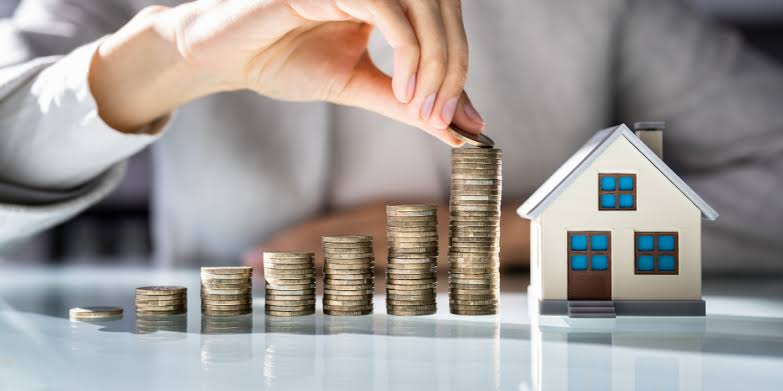
I used to think looking for a house would be the easy part. You check a few websites, compare prices, look at the photos and save the ones you like. Sounds simple, right? It is, until you start thinking about actually buying one.
Then the questions start coming in.
Is the location good? How far is the office? Is there a market nearby? What will the EMI be? Is the builder reliable? What about parking? And how much money will be needed apart from the price shown in the advertisement?
A property is a very different purchase from a phone, a sofa or even a car. Once you buy it, it becomes part of your everyday life. You may live there for years, travel from there every morning, pay maintenance every month and slowly spend more money on furniture and improvements.
That is why I feel property hunting should not be rushed.
In 2026, people looking at real estate have plenty of choices, but having more choices does not always make the decision easier. Location, connectivity, construction, rental demand and affordability can all change the value of a property for a particular buyer.
The property that looks perfect to one person may be completely wrong for someone else.
Real Estate Trends to Watch in 2026
Property markets naturally change as cities grow.
Think about an area that was once considered too far from the main city. A few years later, a better road may come up. A metro route may become available. New offices or shops may open nearby. Suddenly, the same area starts getting more attention.
This is one reason buyers often hear about “upcoming locations.”
Still, I would be careful with promises about future development. A salesperson may mention a proposed metro station, highway, commercial centre or business area. That sounds exciting, especially when you are already interested in the property.
But a plan is still a plan.
Before paying a booking amount, check what has actually been approved or started. If a property is attractive even without the future project, that is a much more comfortable position to be in.
A Home Should Work for Your Daily Life

When people visit a new home, they often notice the things that look good first.
Maybe the living room is spacious. Maybe the kitchen has modern cabinets. The balcony looks nice in the evening. The building has a gym or a fancy entrance.
After moving in, though, everyday things start to matter.
Where will you put your clothes? Is there enough storage? Does the bedroom get natural light? Is there somewhere to keep your work laptop? Is the kitchen actually comfortable when you are cooking? What happens when two family members need the bathroom at the same time?
These are not exciting questions, but they are real ones.
Someone who works from home may prefer a quieter two-bedroom flat over a larger place with poor privacy. A family may want to stay close to a school or hospital. A student may simply want a clean, manageable room close to college.
More space is not always the same thing as better space.
Location Can Save You Time Every Day
A cheap property is not necessarily a good deal if you spend a large part of your day travelling.
Imagine buying a home because it costs less than similar properties elsewhere. Six months later, you are spending two hours going to work and another two hours coming back.
That daily travel starts to feel expensive in a completely different way.
When checking a property, look beyond the name of the neighbourhood. See what is actually around it. Check grocery shops, public transport, hospitals, schools, banks, markets and the routes you would normally use.
I would also avoid judging a location after only one visit.
Visit in the morning if you can. Look at the traffic. Come back in the evening. Notice the noise. Walk around the nearby streets rather than staying inside the property.
And if you get the chance, talk to someone who already lives there. Residents can sometimes tell you about water problems, parking, power issues, traffic or maintenance in a way that a brochure never will.
Good Connectivity Is Useful, Not Just a Selling Point

People often talk about connectivity when discussing property, and there is a good reason for that.
A home near a useful bus route, metro station, railway connection or major road can make everyday travel easier. Being close to offices, schools, hospitals and shopping areas can also make a difference.
But there is a small trap here.
Sometimes a property is marketed around a future road or transport project that has not been completed yet. It can be tempting to imagine how valuable the area will become once everything is finished.
I would rather look at what is available now.
If the existing roads and transport options are already reasonable, great. If a future project is completed later, that is an extra advantage. But I would not make the entire buying decision based on something that may still be years away.
First Decide Why You Want the Property

Before comparing ten different properties, decide what you actually want from the purchase.
If you are buying a home for yourself, your priorities may be quite personal. You might care about your commute, nearby shops, schools, parking, sunlight, noise and the general feel of the area.
An investor may think differently.
They may be more interested in rent, the type of tenants living nearby, demand from students or professionals and whether the property could be useful several years from now.
There is also no rule saying an investment property has to be expensive. A simple flat in a practical location may attract more tenants than a beautiful property in an inconvenient area.
So instead of asking, “What is the best property?” ask yourself:
Why am I buying this property in the first place?
That one answer can make the rest of the search much clearer.
The Advertised Price Is Only the Beginning
This is one part of buying property that deserves extra attention.
You see a price online and start calculating whether you can afford it. But the final amount can be higher.
There may be registration and stamp duty, brokerage, loan charges, parking fees, maintenance deposits, interiors, moving costs and other expenses.
And then there is the monthly EMI.
A bank approving your loan does not automatically mean that you should take the maximum amount offered. You still have to pay for food, electricity, travel, education, shopping, savings and unexpected expenses.
Life does not stop just because you bought a house.
If one expensive month can completely disturb your budget, the property may be stretching you too far.
I would rather have a slightly smaller home and some financial breathing space than a bigger home that makes every month stressful.
Do a Little Homework on the Builder

The building may look impressive, but the builder’s history matters too.
Before buying a new property, have a look at the builder’s earlier projects. If possible, speak to people who already live there.
Were the projects completed when promised? How has the building been maintained? Do residents have complaints about construction or common areas? How responsive is the management after possession?
Also take the paperwork seriously.
Property documents and approvals can feel boring when you are excited about buying a home, but they are not something to rush through. If you do not understand an important document, ask a qualified professional rather than simply signing because the sales team is waiting.
A few extra hours of checking can be worth far more than you realise.
Ready-to-Move or Under-Construction?
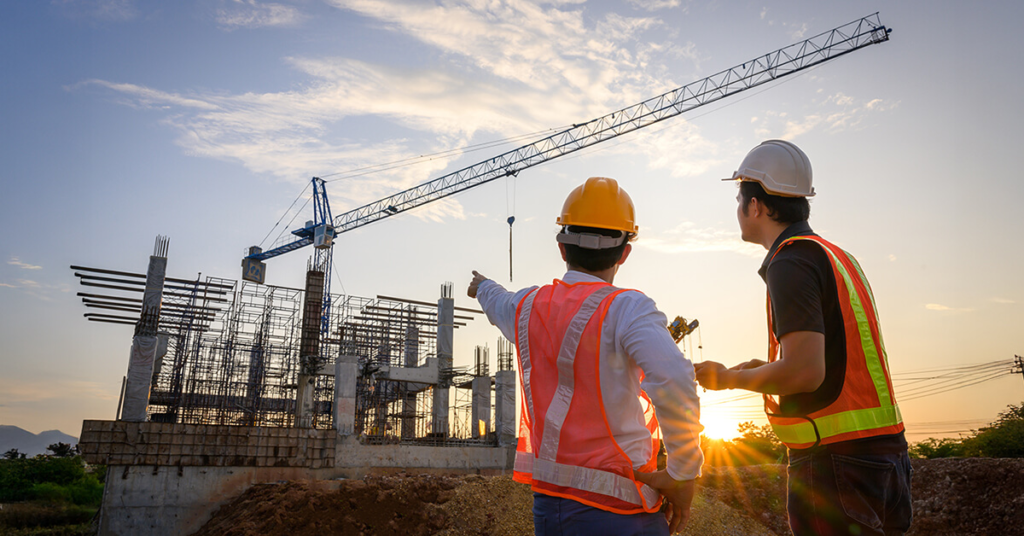
This choice depends a lot on your situation.
A ready-to-move home has one obvious advantage: you can see what you are paying for.
You can look at the actual rooms, the building entrance, the parking area, the road outside and even the surrounding neighbourhood. You do not have to imagine what everything will look like later.
With an under-construction property, you have to wait. There may also be uncertainty around the completion timeline.
That does not automatically make an under-construction property a bad choice. Some buyers are comfortable waiting, especially if they do not need to move immediately.
The important thing is to be honest about your own timeline. If you need a home within a few months, waiting years may not be practical.
Rental Demand Should Be Checked Before Buying for Rent
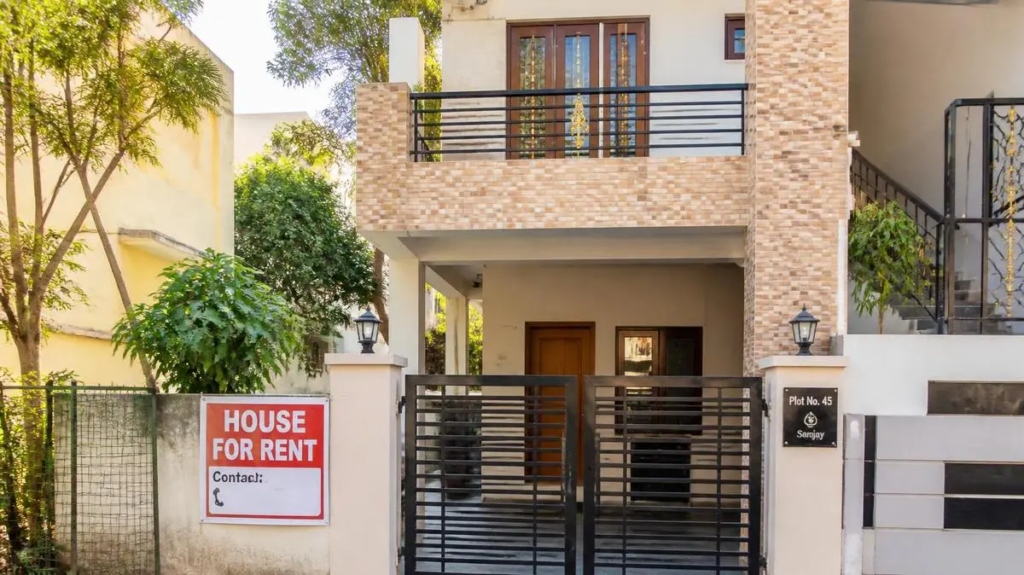
Buying a flat and expecting tenants to appear is not really a strategy.
If rental income is your goal, look at the neighbourhood first.
Are there colleges nearby? Offices? Hospitals? Industrial areas? Shopping centres? Are there enough people looking for homes in that part of the city?
Then compare rental prices for similar properties.
For example, a modest two-bedroom flat near offices and public transport may be easier to rent than a much more expensive home located far away from everything.
The property does not need to be luxurious. It needs to be useful to the people who are likely to rent it.
Online Property Searches Save Time, But They Cannot Replace a Visit

Property websites are genuinely helpful.
You can sit at home and compare several listings instead of travelling around the city without knowing what you are looking for. Photos, floor plans and price information can help you create a shortlist.
But I would never make the final decision from photographs alone.
Camera angles can make rooms look bigger. Bright editing can make a space look different. A balcony might look peaceful in a picture while the road below is busy all day.
Once you have shortlisted a few properties, visit them.
Stand in the rooms. Look out of the windows. Check the parking. Walk towards the nearest shop. Notice the road and traffic.
Sometimes the five or ten minutes you spend outside the building tell you more than the entire online listing.
Affordable Does Not Always Mean Cheap

There is a difference between buying a cheap property and buying a property you can comfortably afford.
When people find a home they really like, increasing the budget by a little can feel harmless.
“This one is only a little more.”
Then another property looks better.
“That one is slightly more expensive, but the location is nicer.”
Before long, the original budget has moved quite a long way.
This is where it helps to stop and look at your finances properly.
Keep money aside for normal household expenses, savings, travel, repairs and unexpected situations. If you have family responsibilities, those need to be considered too.
A home should give you some sense of stability. If the EMI leaves you worrying about money every month, the extra room or fancy facility may not be worth it.
Property-Buying Mistakes I Would Try to Avoid
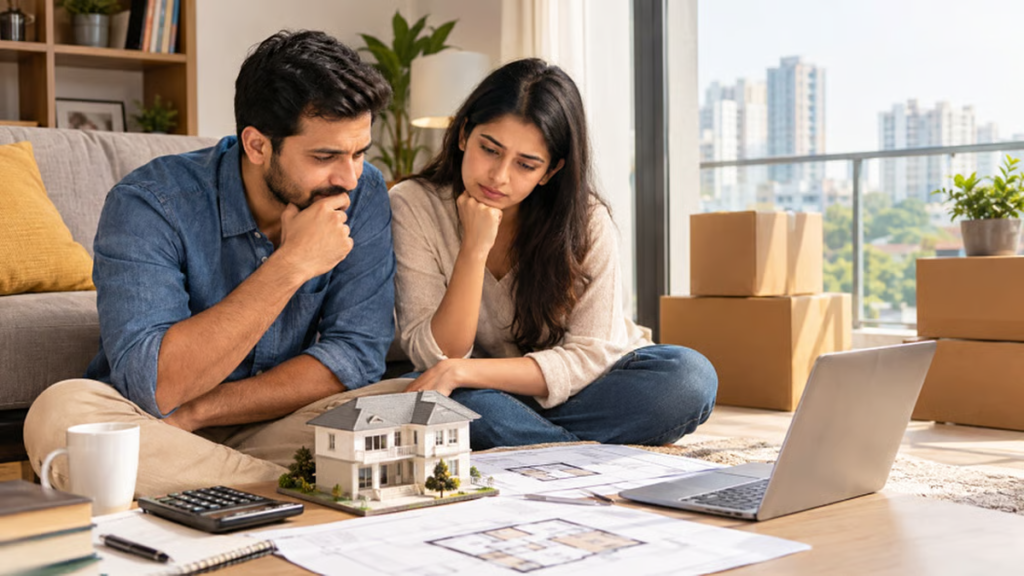
Buying property is a major decision, so rushing can be costly.
Buying only because you expect prices to rise
An area may become popular, but nobody can guarantee exactly what property prices will do. Future appreciation should be one consideration, not the entire reason for buying.
Focusing only on the price per square foot
A lower rate can look attractive on paper. But what about the location, layout, construction and maintenance? A cheaper property is not automatically better value.
Treating paperwork as a formality
Ownership details, approvals and other documents deserve proper checking. If something is unclear, get professional advice.
Getting caught up in sales pressure
“Only one unit left” can make people panic.
So can “the price is going up tomorrow.”
Maybe the offer is genuine, maybe it is simply a sales tactic. Either way, you should still have enough time to check the property and understand what you are buying.
Only visiting once
The first visit can be exciting. You are probably imagining where your sofa will go and what the bedroom might look like.
On the second visit, you may notice the traffic, noise, sunlight, parking or other things you missed before.
That second look can be very useful.
Final Thoughts
There is a lot to consider when buying property in 2026, but the decision does not have to become unnecessarily complicated.
Start with yourself.
How much can you comfortably spend? Why are you buying? How far are you willing to travel every day? Do you need the property immediately? If it is an investment, who is likely to rent it?
Then look at the property.
Check the location. Visit the neighbourhood. Look into the builder. Understand the paperwork. Calculate the complete cost instead of stopping at the advertised price.
And give yourself permission to walk away if something does not feel right.
A property purchase does not become a good decision just because the building looks beautiful or the salesperson says the opportunity will disappear tomorrow.
The right home may be smaller than you originally imagined. It may be in a neighbourhood you had not considered. It may not have every fancy facility.
But if you can afford it, reach the places you need to reach, feel comfortable in the area and see yourself living there for years, that can be much more valuable than simply buying the biggest property you can find.