
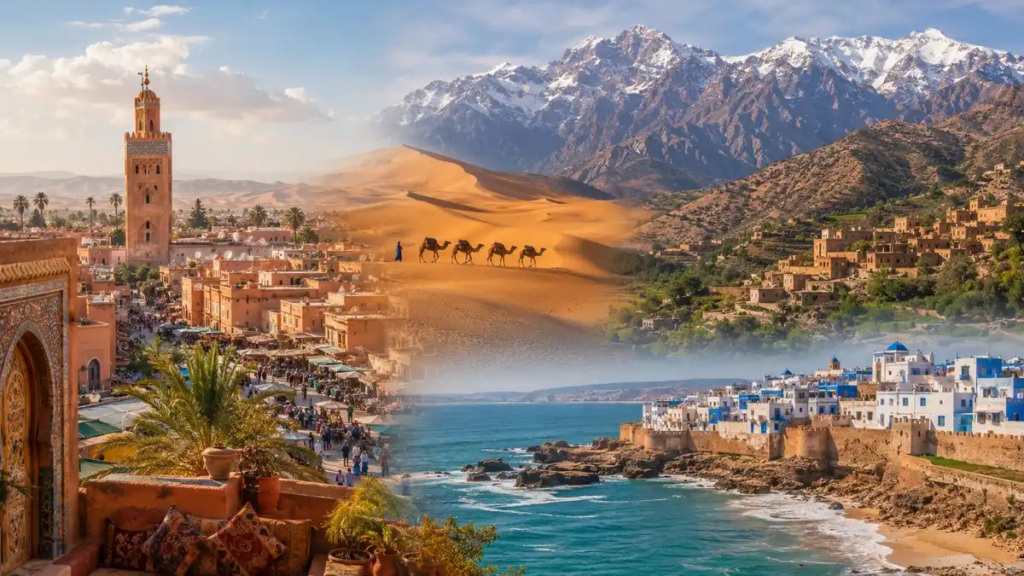
Choosing a holiday destination sounds easy until you actually sit down and try to choose one.
At first, I usually think I will make the decision in ten minutes. Pick a city, check the weather, look at a few hotels, compare prices and that should be it.
It rarely works that way.
I might begin by looking at Jaipur because I am in the mood for history, colourful markets and good food. Then I see a video from Tokyo and start imagining what it would be like to walk through those busy streets. A photo of a tiny café in Paris catches my eye. Five minutes later, I am checking hotels in Dubai.
Before long, I have so many tabs open that I have forgotten which city I was researching in the first place.
Still, I actually enjoy this part.
There is something nice about planning a trip when nothing has been fixed yet. You can imagine having breakfast somewhere unfamiliar, wandering around a market, finding a quiet street by accident or sitting in a café simply because you like the look of it.
Those little moments are often what make me excited about travelling.
Of course, eventually the practical questions arrive. Where should I stay? How much will the trip cost? Is getting around easy? What will the weather be like? How many days do I really need?
And then there is the question I always seem to come back to:
What am I going to eat?
Food can influence my travel plans more than I would like to admit. Sometimes I know which dishes I want to try before I have even decided which attractions I want to visit.
I also do not believe a good holiday needs to be planned minute by minute. Some travellers love having every morning and evening organised. I can understand why. It takes away some of the uncertainty.
Personally, I like having a rough plan and then leaving a little space around it.
I want to visit the places I may never get another chance to see, but I also want an afternoon where I can change my mind. If a street looks interesting, I want to be able to walk down it. If I find a café I like, I do not want to leave simply because my itinerary says it is time to move on.
So, if I were putting together a travel list for 2026, these are ten cities I would seriously consider.
1. Jaipur, India
Jaipur is one of those cities where I can imagine leaving the hotel with a simple plan and returning several hours later after doing something completely different.
There is a lot to look at.
The colours, old buildings, markets and traditional shops make even an ordinary walk feel like part of the trip. You might be looking for lunch and suddenly notice a shop filled with colourful fabrics. A jewellery store catches your attention. Then you see handmade decorations or traditional clothing and spend another twenty minutes looking around.
That is part of the fun.
For a first visit, Hawa Mahal would definitely be on my list. Amber Fort would be another place I would make time for. They are famous tourist attractions, but being popular does not mean they are not worth seeing.
I just would not try to squeeze every Jaipur attraction into one exhausting day.
The markets deserve some unhurried time too. You do not need to arrive with a shopping list. Sometimes it is enough to walk around, look at things and see what catches your eye.
And then there is the food.
I would want to try dal baati churma, of course, along with kachori, samosa, ghewar and some local sweets. Jaipur is also the kind of place where I would leave room for snacks because a quick stop can easily turn into one of the nicest parts of the day.
One of my favourite things about travelling is when the place I end up eating at was never part of the original plan.
Jaipur seems like a city where that could happen quite easily.
2. Mumbai, India
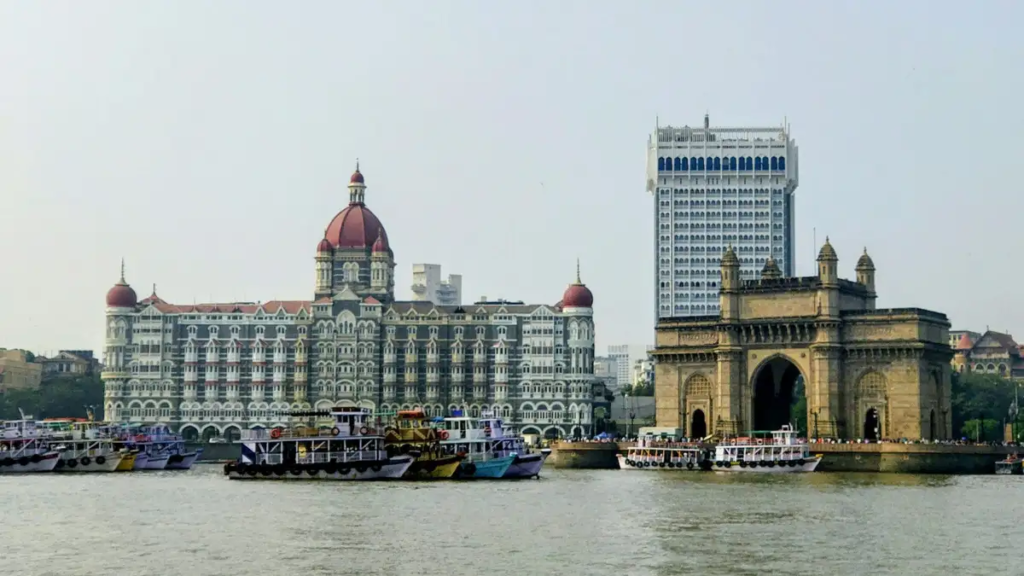
Mumbai does not exactly ease you into city life.
It is busy from the moment you step outside. There is traffic, noise, crowded streets, trains, food stalls and people heading somewhere in a hurry.
For someone visiting for the first time, it can feel like a lot.
Then, after a while, you begin to understand that the energy is part of Mumbai.
One place I would not skip is Marine Drive. I especially like the idea of going there in the evening, after spending most of the day surrounded by the city’s noise and movement.
You do not really need a complicated plan there.
Sit near the sea. Talk to whoever you are travelling with. Watch the lights. Let your feet rest for a while.
Sometimes a simple break like that is exactly what you need during a busy trip.
Food would obviously be another major part of my Mumbai plans. Vada pav is an easy starting point, but there is much more to try. Pav bhaji, bhel puri, misal pav, sandwiches and sweets all deserve a place on the list.
I would probably avoid making a strict food schedule.
If I walked past a busy stall and everyone seemed to be eating something interesting, curiosity would probably win.
Mumbai is particularly enjoyable for travellers who like big-city energy. There is always something happening, and even a normal walk can turn into a little adventure.
3. Delhi, India
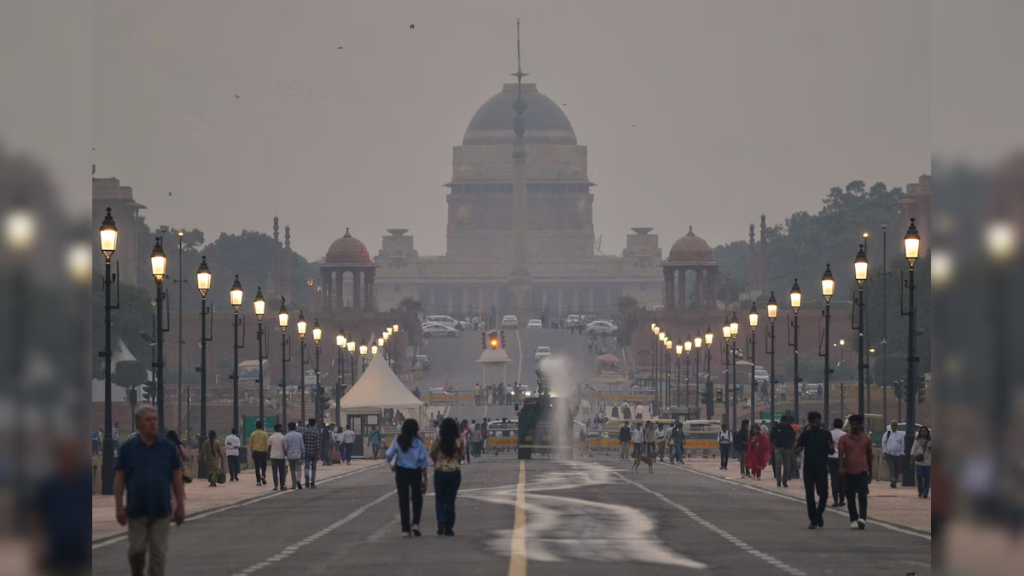
Delhi has always felt to me like a city made up of different layers.
One part is filled with history. Another feels completely modern. Then there are markets, cafés, busy roads and quiet places that seem to appear when you least expect them.
A first trip should include some of the obvious landmarks. The Red Fort, Qutub Minar, India Gate and Humayun’s Tomb are all worth making time for.
But I would be careful about turning the trip into a checklist.
There is a temptation when visiting a large city to think that you have to see everything. You wake up, visit one monument, rush to another, stop for lunch and then start worrying about what you still have not seen.
By evening, you are exhausted.
I would rather leave some breathing room.
Have tea somewhere. Browse a market. Stop for a snack without checking the time every five minutes.
Delhi is particularly good for food breaks. Chaat, parathas, kebabs and sweets can easily change a short stop into a proper meal.
And that is fine.
You do not have to feel guilty because you spent an extra hour eating instead of visiting another monument.
Delhi works well for travellers who want history and culture but also want to experience a real, busy city around those famous places.
4. Bengaluru, India
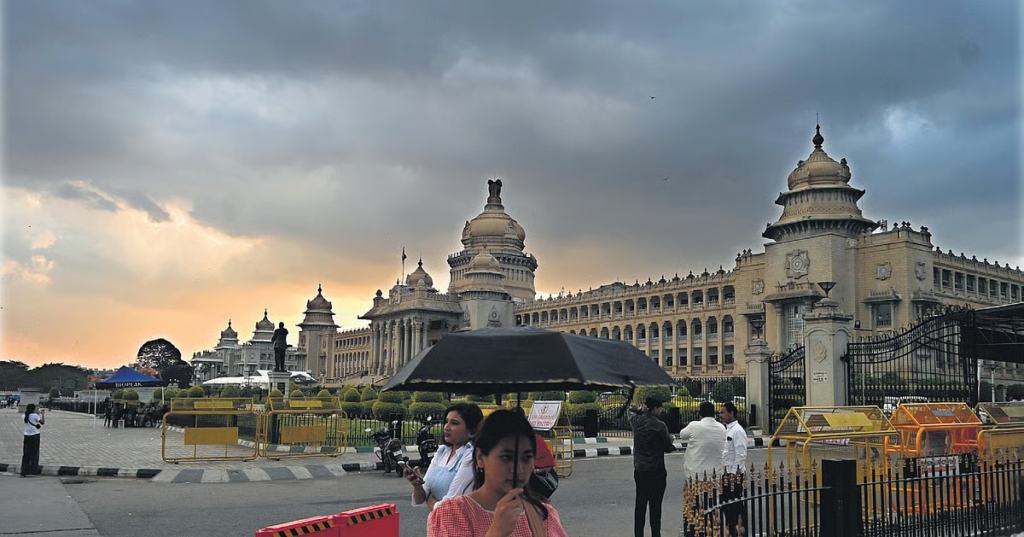
Bengaluru is often introduced as India’s technology and business hub.
That description is true, but it does not really tell you what it feels like to spend a relaxed day there.
There are parks, cafés, restaurants, bookstores and neighbourhoods where you can simply wander around without having a major tourist attraction waiting at the end of the road.
I would probably start a day at Cubbon Park and then find somewhere for coffee or breakfast.
Later, I might head towards Indiranagar to look around the cafés, restaurants and shops.
What appeals to me about Bengaluru is that an ordinary day can be enough.
You might walk into a bookstore because something in the window caught your attention. You could sit in a café for longer than expected. Maybe you notice a restaurant while walking and decide to try it without spending half an hour reading reviews first.
Then suddenly it is evening.
Nothing spectacular happened, but you enjoyed yourself.
I think holidays need those days too.
Bengaluru would be a good fit for someone who likes coffee, food, green spaces, shopping and exploring neighbourhoods at an easy pace.
5. Goa, India
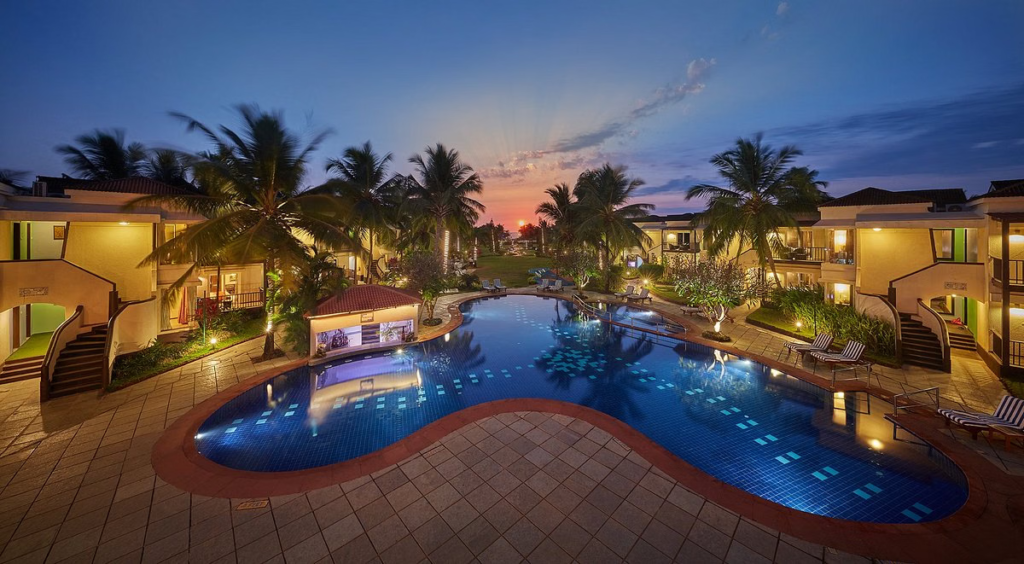
Goa is probably the destination on this list where I would make the fewest plans.
There is something slightly funny about travelling to a place known for relaxing and then creating a schedule that keeps you busy from breakfast until bedtime.
I would rather take the day as it comes.
Wake up when I feel like it. Have breakfast. Spend some time near the beach. Find lunch. Go back and rest. Come out again later.
Maybe I would watch the sunset.
Maybe I would sit in a café.
Maybe I would spend far too long looking at the sea.
That does not sound like wasted time to me.
Goa has plenty to see beyond the beaches as well. There are old churches, historic areas, markets, cafés and restaurants. The experience can be very different depending on where you stay.
Someone looking for nightlife will probably choose a very different area from someone who wants quiet mornings and a peaceful beach.
That is something I would think about before booking the hotel.
I also would not copy another person’s Goa itinerary exactly. A trip does not have to look exciting on paper to be enjoyable.
If you spend an afternoon doing almost nothing and return home feeling rested, then the afternoon did its job.
6. Kochi, India
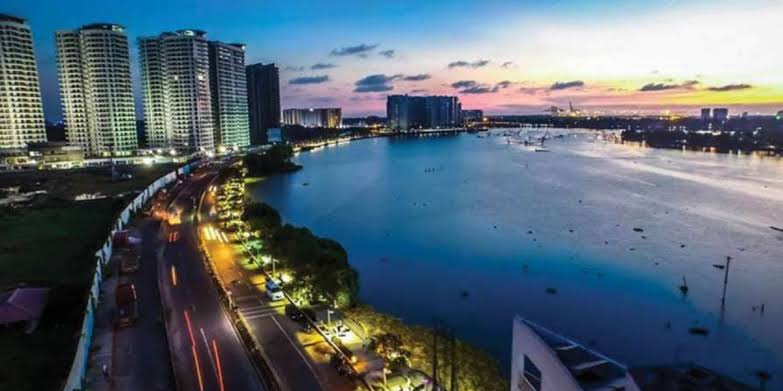
Kochi feels like a city that rewards people who are willing to slow down.
Fort Kochi would be high on my list for a first visit. The old buildings, small shops, cafés and art spaces make it an easy place to explore without constantly checking a map.
You can walk for a while, stop for tea, take a few photographs and continue when you feel like it.
There is no need to rush from one attraction to another.
That kind of travel suits me.
Sometimes I would rather spend an hour exploring one interesting street than visit three places quickly just so I can say I went there.
Food would be another reason to visit Kochi.
Kerala cuisine has so many flavours and ingredients that I would want to try dishes beyond the ones I already know. Rice, coconut, seafood, spices and different curries give the food a character of its own.
I would probably ask someone local what they recommend.
That can be much more fun than choosing a restaurant entirely from photographs online.
The recommendation might be amazing.
It might not be.
Either way, it becomes part of the trip.
Kochi would appeal to me for its combination of old streets, culture, art, photography, local food and a generally slower feeling.
7. Paris, France
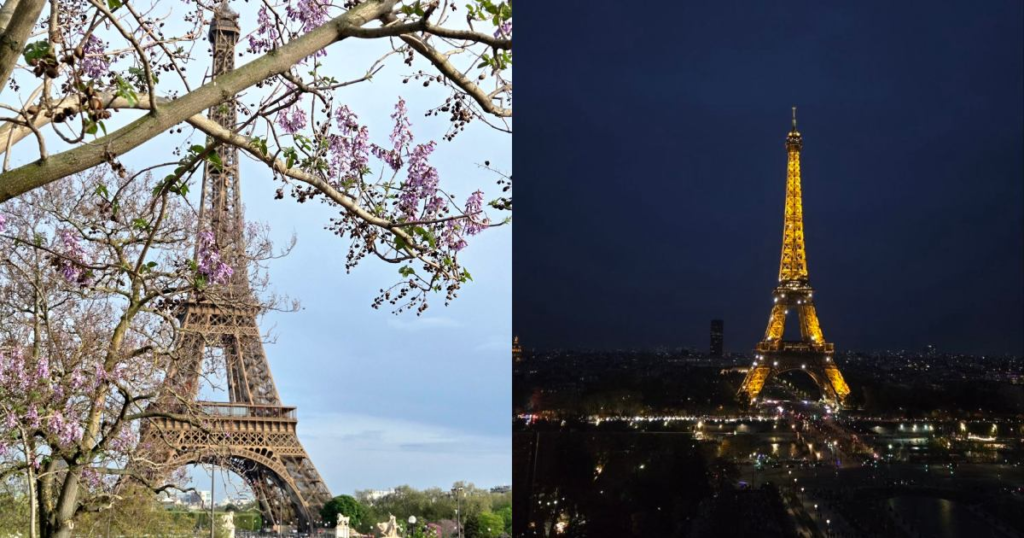
Paris is strange in a way because you already know so much about it before arriving.
You have seen the Eiffel Tower in photographs. You have seen pictures of the Seine. You have probably watched people sitting outside little cafés and seen more bakery photographs than you can count.
So when you finally arrive, there is a moment where the city feels familiar even though you have never been there.
I would still visit the Eiffel Tower.
Being a tourist is not something I think travellers need to apologise for. If you have travelled all that way, you might as well enjoy the things you came to see.
Take the photograph.
Look at the view.
Enjoy the moment.
After that, I would slow things down.
Walk beside the Seine. Wander through a neighbourhood. Sit at a café. Go into a bakery because something in the window looks impossible to resist.
Food alone can fill a good part of a Paris day.
Bread, pastries, cheese, desserts and traditional dishes all give you an excuse to stop somewhere.
The main thing I would watch is the budget. Paris can become expensive quickly, particularly when accommodation, food, transport and attractions are all added together.
But you do not need to spend money every time you step outside.
Walking around, sitting beside the river and watching everyday life can be some of the nicest parts of the visit.
8. Tokyo, Japan
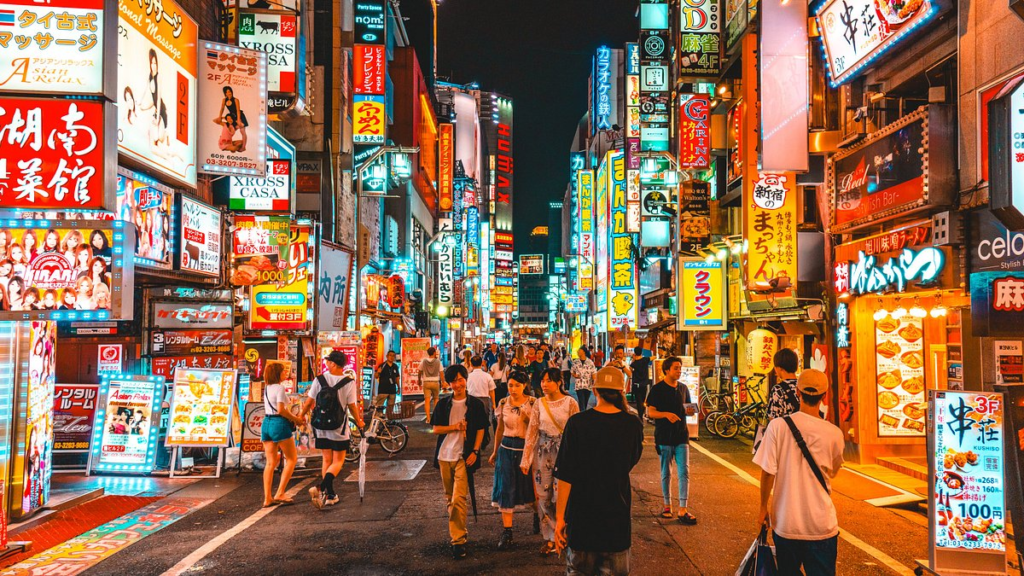
Tokyo is probably a city I would need a little time to understand.
The first few hours might involve nothing more exciting than trying to figure out a station.
There are signs everywhere. People are moving quickly. Trains arrive and leave. Everyone seems to know exactly where they are going.
Meanwhile, you are standing there wondering whether you have taken the correct exit.
Once that initial confusion settles, the city starts to feel different.
You notice that the huge, crowded areas are not the whole story.
There are quiet temples, gardens, smaller streets and peaceful corners not far from all that noise.
That contrast is one of the things that makes Tokyo so interesting.
One moment you can be surrounded by bright signs and crowds. A short while later, you can be somewhere surprisingly calm.
And then there is the food.
Sushi would obviously be on my list, but I would also want to try ramen, tempura, noodles, rice dishes and smaller snacks.
I would not feel the need to research every restaurant before leaving the hotel.
Sometimes being hungry at the right moment is enough.
You see a small restaurant. It looks busy. You go inside.
Maybe the meal is fantastic.
Maybe it becomes one of those funny travel stories where you had no idea what you ordered.
Either way, it is part of the experience.
9. Dubai, UAE
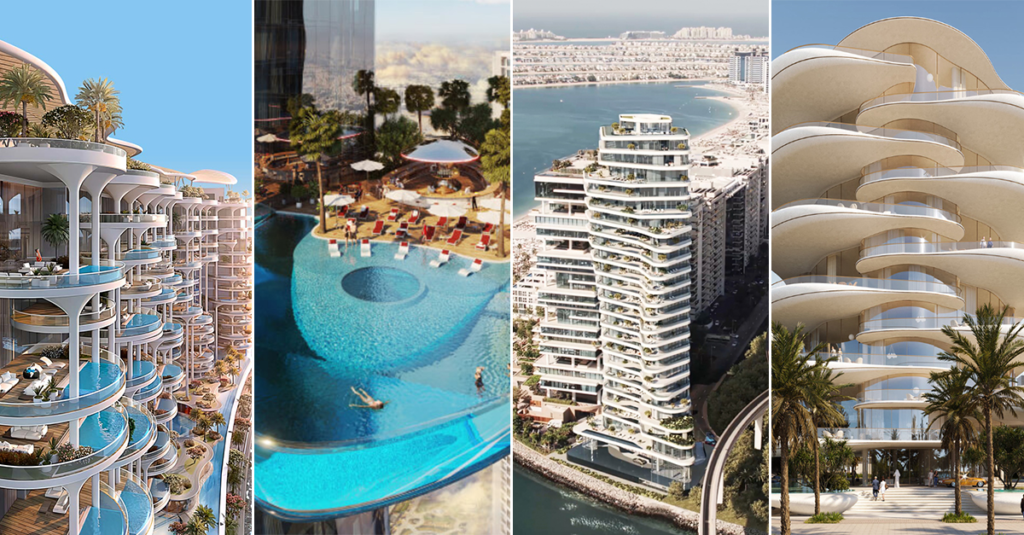
Dubai is hard to ignore.
The skyline is enormous, the buildings are impressive and the shopping centres can feel like destinations in themselves.
There is plenty to do if you enjoy shopping, modern architecture, entertainment and restaurants.
But I would make sure not to see only the newest and biggest parts of the city.
The older areas offer a different atmosphere, and I think that contrast makes Dubai more interesting.
You can spend part of the day surrounded by modern buildings and then find yourself somewhere that feels much more connected to the city’s older character.
I would also make plenty of room for food.
Dubai’s international population means the food choices are incredibly varied. You can find Middle Eastern dishes alongside Indian, Asian, European and many other cuisines.
That makes it easy to try something different each day.
The only thing I would watch is overplanning.
There are so many attractions that it would be very easy to create a schedule that looks fantastic when written down and feels exhausting once you are actually following it.
A little empty space in the day can be useful.
10. Singapore
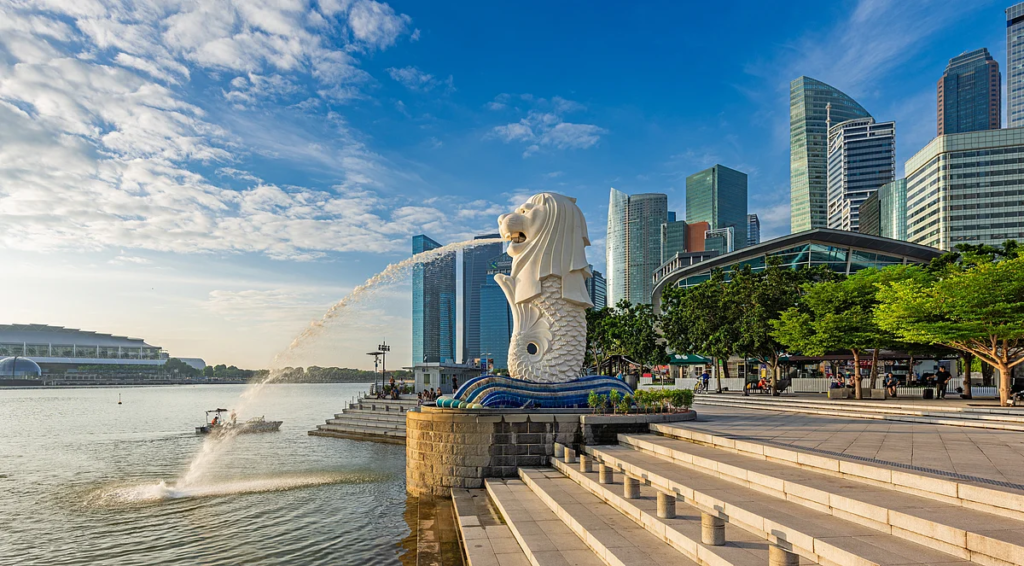
Singapore is a city I would consider when I wanted an international trip but did not have a huge amount of time.
It is compact enough that you can explore quite a lot without spending the entire day travelling between places.
There are modern buildings, gardens, shopping areas and neighbourhoods with very different personalities.
But, honestly, the food would probably be one of the first things I would think about.
Hawker centres are especially appealing because they feel connected to everyday life. You choose something to eat, find a place to sit and watch people around you going about their day.
The meal does not have to be expensive.
It does not even need to be fancy.
Sometimes a simple local meal eaten in a busy place is much more memorable than a carefully planned restaurant dinner.
Singapore also has an interesting mix of modern and traditional influences. You can spend the afternoon among tall buildings and shopping centres and later find yourself walking through a neighbourhood with a completely different atmosphere.
For a short trip that combines food, culture, gardens, shopping and city life, Singapore makes a lot of sense.
Which City Actually Suits You?
This is probably more important than choosing the city that happens to be trending.
A destination can look incredible online and still not be the right place for your particular holiday.
Think about what you actually enjoy doing when you have a free day.
Do you like history and old buildings?
Then a city such as Jaipur or Delhi might keep you interested for days.
Do you travel mainly because of food?
In that case, the local markets, street food and restaurants may matter more than how many famous landmarks the city has.
Or maybe you are simply exhausted and want a break.
There is nothing wrong with choosing somewhere where you can sleep properly, eat good food, walk around comfortably and not feel like you are constantly late for your next activity.
A holiday does not have to be impressive to everyone else.
It just needs to be enjoyable for you.
I would also be careful about choosing a destination purely because it looks beautiful on social media.
A thirty-second video can make almost anywhere look perfect.
It does not tell you whether you will enjoy waking up there every morning for five days.
Before booking, I would ask myself one simple question:
What do I actually want from this trip?
That answer can make the decision much easier.
A Few Things I Would Check Before Booking

I like doing some research before travelling, but I have learned not to research every tiny detail.
The weather is one of the first things I check.
There is a big difference between seeing a beautiful destination in photographs and actually being there during extreme heat, heavy rain or another difficult season.
The location of the hotel matters too.
Sometimes paying a little more for a convenient area is worth it. Saving money on accommodation does not feel like much of a saving if you spend hours every day travelling to the places you want to see.
I would also look at the basic transport options before arriving.
There is no need to memorise an entire city’s transport network. Knowing how to get from the airport to the hotel and how people normally move around the city is usually enough.
Once those basics are sorted, I would stop researching.
Leave some room for the trip itself.
That is when unexpected things can happen.
You may discover a neighbourhood you like.
You may find a restaurant that was never on your list.
You may get tired and decide to return to the hotel instead of following the plan.
That is not a failed itinerary.
That is just travelling.
Do Not Let the Famous Places Become the Whole Holiday
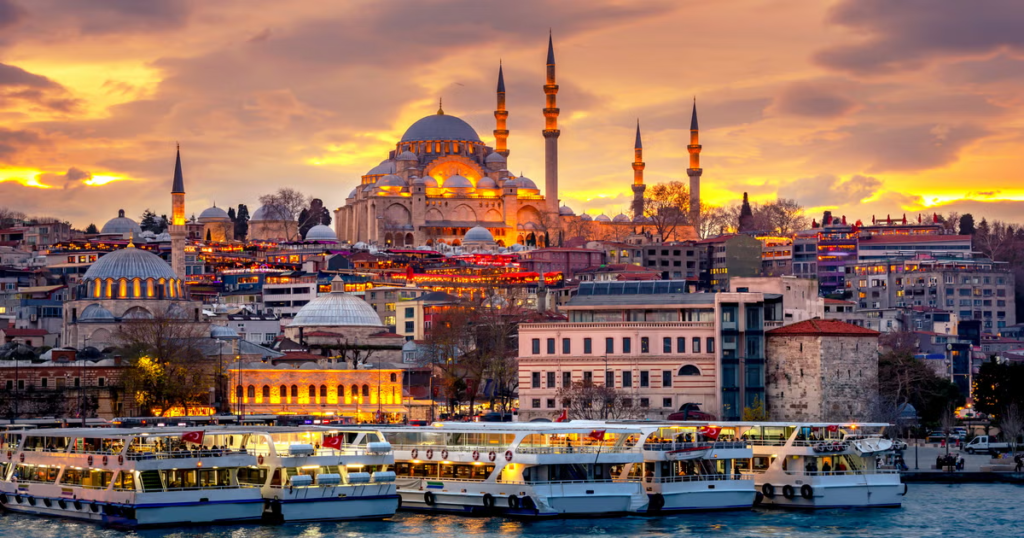
I actually like famous attractions.
If I go to Jaipur, I want to see Hawa Mahal. If I visit Paris for the first time, I am absolutely going to see the Eiffel Tower.
There is nothing wrong with doing the touristy things.
See the landmark.
Take the picture.
Enjoy it.
Then look around for something else.
Have breakfast somewhere local. Walk through a market. Sit in a park. Try a dish you have never eaten. Take public transport instead of a taxi once. Walk into a small shop simply because something in the window caught your eye.
Those moments can make a city feel less like a list of attractions and more like a place where people actually live.
If you meet someone who lives there, ask for a recommendation.
Where would they go with a friend?
What would they eat?
Which neighbourhood do they enjoy?
Sometimes one local suggestion can completely change your plans.
And I think there is another small thing worth remembering.
Put the phone away sometimes.
Of course I want photographs from a trip. I always do.
But if I spend every minute trying to get the perfect picture, I can miss what is happening around me.
Some memories are better when you simply experience them.
Keep an Eye on the Small Expenses

Travel costs have a funny way of growing.
The hotel price might look reasonable when you book it.
Then you start adding airport transfers, breakfast, lunch, coffee, attraction tickets, taxis and shopping.
None of those expenses seems huge by itself.
Together, they can make a noticeable difference.
Before travelling, I would make a basic estimate for accommodation, food, transport, attractions and shopping. I would also keep a little extra money aside rather than planning my budget down to the last rupee.
At the same time, I do not think you need to spend money constantly to enjoy a city.
Walking around is free.
Sitting in a park is free.
Looking through a market costs nothing unless you decide to buy something.
A simple local meal can be just as satisfying as an expensive restaurant.
Some of my favourite travel memories would probably cost very little.
A sunset seen while walking back to the hotel.
A conversation that went on longer than expected.
A meal that turned out to be much better than I thought it would be.
Getting slightly lost and finding an interesting street.
Those moments are not expensive.
They are just part of being somewhere new.
Final Thoughts
If someone asked me to choose the single best city to visit in 2026, I would probably struggle to give one answer.
There are simply too many different kinds of travellers.
Jaipur makes sense if you want history, colourful markets, traditional food and beautiful architecture.
Mumbai is for people who enjoy energy, street food, shopping, the sea and the feeling of being in the middle of a huge city.
Delhi brings history, food, markets and modern city life together.
Bengaluru is a nice choice for slower days filled with cafés, parks, restaurants and neighbourhood walks.
Goa is where I would look when I wanted to relax, spend time near the beach and stop checking the clock.
Kochi has a quieter character, with old streets, art, culture, photography and distinctive local food.
Paris has the famous sights, but some of the nicest memories might come from a bakery, a riverside walk or an ordinary café.
Tokyo can feel confusing at first, but that mixture of modern life, tradition, crowds and quiet spaces is exactly what makes it fascinating.
Dubai has impressive modern attractions, shopping and international food, while its older areas show another side of the city.
Singapore brings together food, gardens, culture, shopping and modern city life in a relatively compact destination.
Still, I would not choose any of these places simply because they are popular.
Think about your own holiday first.
How many days can you take?
What is your realistic budget?
Are you travelling alone, with friends or with family?
Do you want to relax, explore, eat, shop, take photographs or simply get away from your normal routine?
The answers matter more than a list of trending destinations.
Once you have chosen, I would also try not to overplan.
Book the important things. Check the weather. Know how you are getting around. Keep your budget in mind.
Then leave a little space.
That is where some of the best parts can happen.
Maybe you find a bakery while looking for something completely different.
Maybe you spend much longer in a market than you expected.
Maybe someone recommends a restaurant that was never on your original list.
Maybe you order something without knowing exactly what it is.
Those are the moments that are difficult to schedule.
And sometimes the memory that stays with you has nothing to do with the attraction you travelled across the world to see.
It might be an ordinary evening.
You have been walking around all day. Your feet hurt. Your phone battery is almost gone. You finally sit somewhere quiet and take a breath.
People are still moving around you.
Cars are passing.
The city has not stopped.
Nothing particularly exciting is happening.
You did not see everything you had planned to see.
You missed one attraction.
You changed your dinner plan.
But you had a genuinely good day.
Years later, that might be the moment you remember first.
For me, that is the nicest thing about travelling. The perfect holiday is not necessarily the one where you manage to see every famous place.
Sometimes it is simply the trip where you felt comfortable enough to slow down, look around and enjoy where you were.
And that is a much better reason to travel than trying to complete a checklist.