
Royal Mail Stamp Prices to Rise Again from April 7, 2026
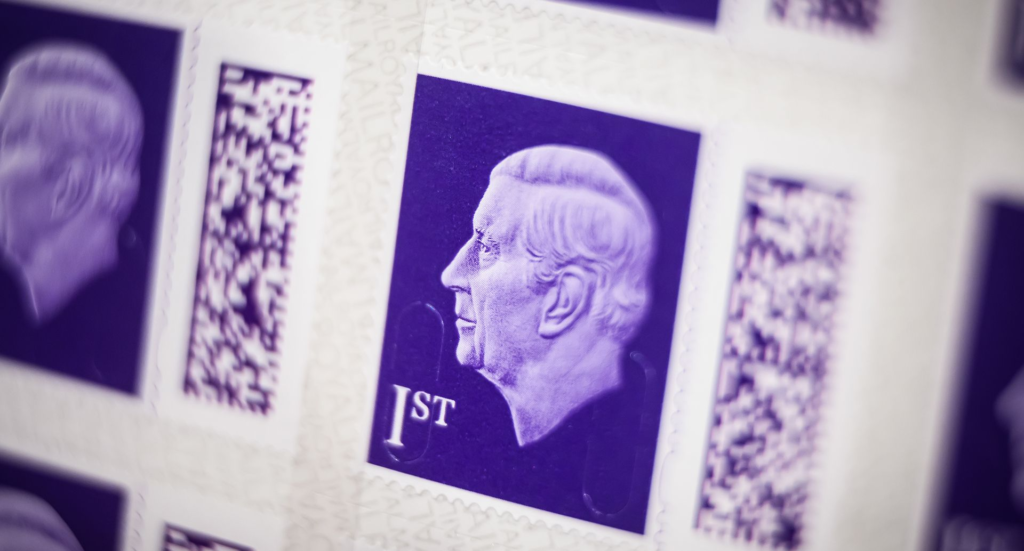
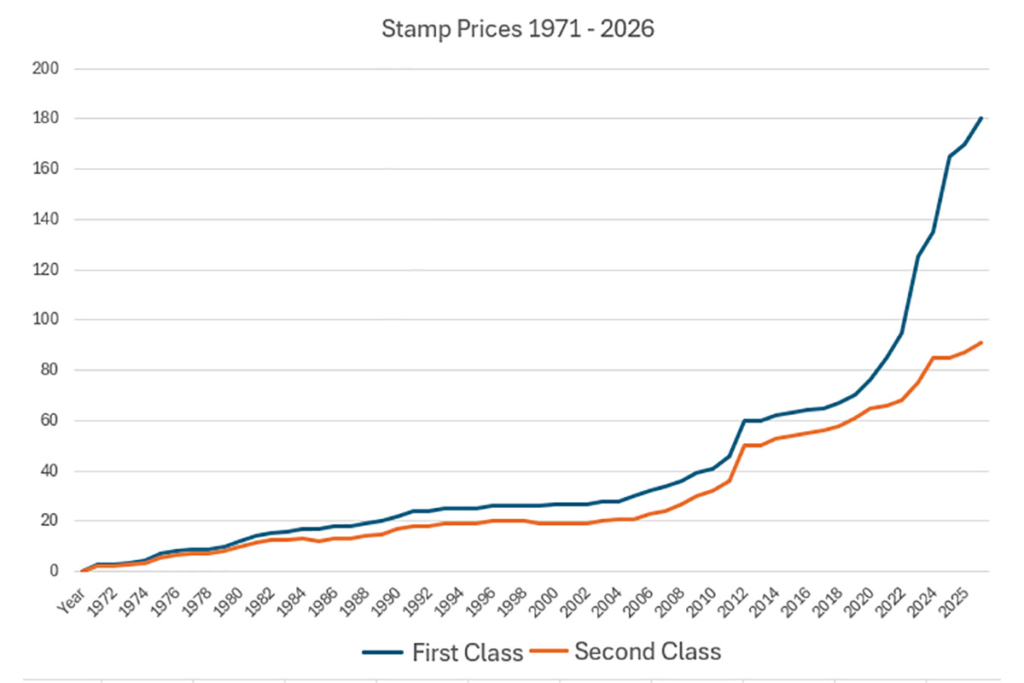
Stamp prices in the UK are set to increase once again from 7 April 2026, bringing higher costs for customers who rely on traditional mail services. The latest update confirms that the price of a First Class stamp will rise by 10p, increasing from £1.70 to £1.80. Meanwhile, the Second Class stamp will increase by 4p, moving from 87p to 91p.
These changes are part of the annual pricing adjustments announced by Royal Mail, which regularly reviews its postage rates to keep up with rising operational costs and shifts in the postal industry. Customers can view the complete list of updated postage rates on the Royal Mail 2026 Prices webpage.
Growing Price Gap Between First and Second Class
Even before this increase, the price difference between First Class and Second Class stamps was significant. At £1.70 compared with 87p, First Class stamps already cost more than double the price of Second Class stamps. With the new pricing structure, Second Class postage will once again fall just below half the price of First Class, reinforcing the idea that First Class delivery has become a premium service.
The widening price gap has been particularly noticeable since 2020, when Royal Mail began implementing larger price increases on First Class stamps. Over time, this has made First Class postage considerably more expensive for everyday users, businesses, and online sellers who depend on reliable mail delivery.
Service Concerns Raised by Lawmakers
Despite the higher prices, many customers and businesses have expressed concerns that the quality of service has not improved at the same pace as the cost. Delivery delays, missed delivery targets, and inconsistent service levels have become common complaints in recent years.
Due to these issues, senior executives from Royal Mail have even been summoned to appear before the UK Parliament Business and Trade Committee. Members of Parliament questioned the company about ongoing service problems and the failure to consistently meet delivery performance targets.
This scrutiny highlights growing frustration among both consumers and policymakers who expect a reliable service, particularly when paying premium rates for First Class delivery.
Why Stamp Prices Continue to Increase
According to Royal Mail, the rising stamp prices are mainly driven by structural changes in the postal industry. The number of letters being sent each year has steadily declined as more people switch to digital communication such as email, messaging apps, and online billing.
At the same time, the number of delivery addresses across the UK continues to grow, meaning the company must cover more locations while handling fewer letters. This increases the cost of delivering each individual letter.
Royal Mail has stated that even after the new price increases, UK stamp prices will still remain below the European average, suggesting that the adjustments are necessary to maintain a sustainable postal service.
What This Means for Customers
For everyday users, the changes mean that sending letters will become slightly more expensive from April 2026. While the increase may seem small individually, frequent senders—such as small businesses, online sellers, and organisations—could see noticeable cost increases over time.
Many customers may choose to rely more on Second Class stamps for non-urgent mail in order to reduce costs, especially as the price difference between the two services continues to widen.
Overall, the upcoming price rise reflects the ongoing transformation of the postal industry, where traditional mail services must adapt to changing communication habits and increasing delivery costs.
#RoyalMail #StampPriceIncrease #UKStampPrices #FirstClassStamp #Carrerbook #Anslation #SecondClassStamp #PostalServiceUK#UKPostage #RoyalMailNews #StampPriceRise2026 #LetterDelivery #PostageCosts #UKMailService