
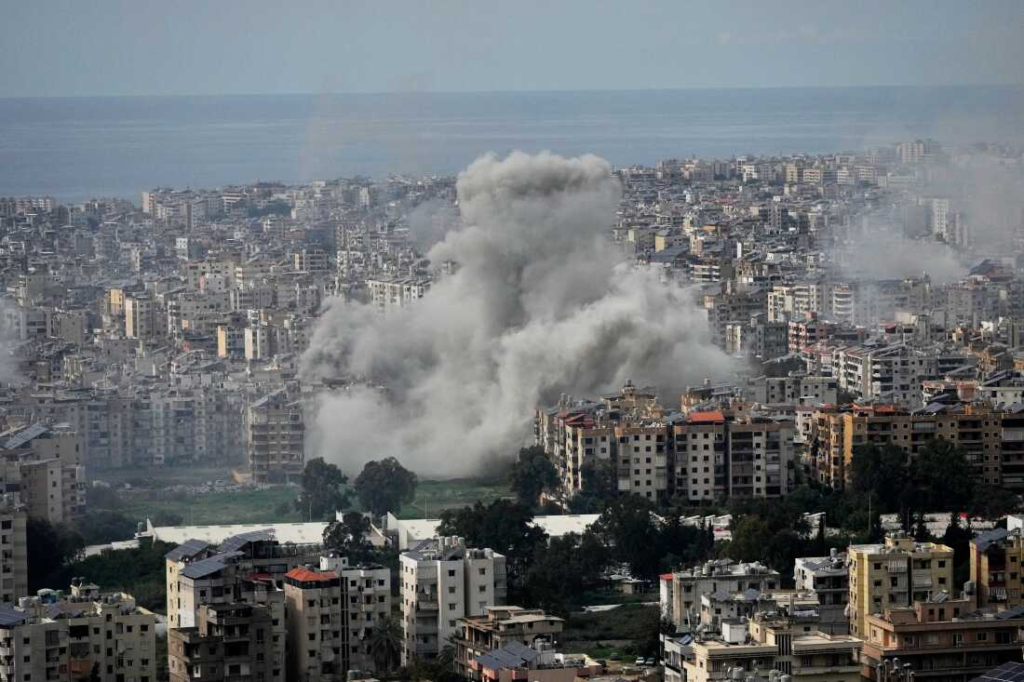
The ongoing conflict in the Middle East is beginning to affect economies across the globe. Rising oil prices, falling stock markets, and economic uncertainty are creating concerns about a potential new cost-of-living crisis. Here’s a refreshed look at how the situation could impact everyday finances, especially for people living in the United Kingdom.
Rising Fuel Prices for Drivers
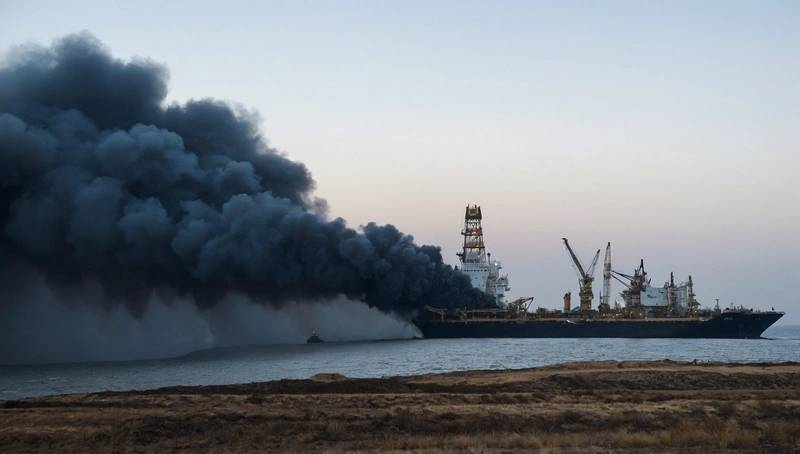
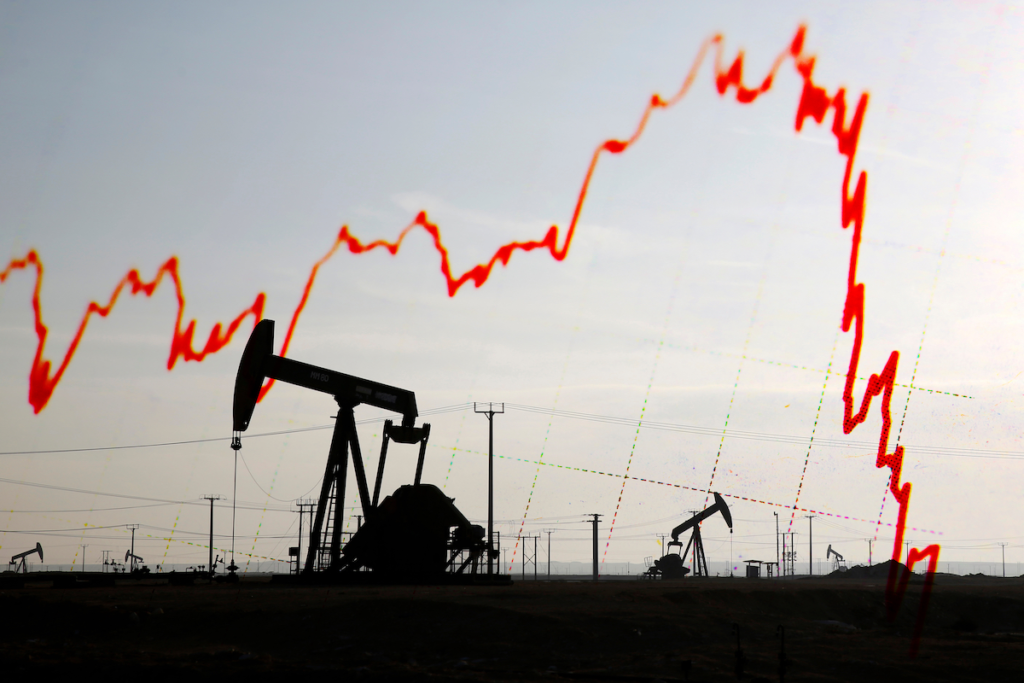
One of the most immediate effects of the conflict is the sharp rise in oil prices, which have climbed above $100 per barrel for the first time in four years. This increase is already pushing petrol and diesel prices higher.
According to the UK motoring organization Royal Automobile Club (RAC), average fuel prices have risen significantly in just a few days.
- Petrol has increased by about 5p to around 137.5p per litre.
- Diesel has jumped 9p to roughly 151p per litre.
Experts warn that petrol could soon reach 140p per litre, while diesel may rise to 160p or more. If oil prices remain above $100, petrol could even approach 150p, with diesel potentially hitting 180p per litre, a level not seen in several years.
Because fuel prices vary widely between stations, drivers are advised to compare prices using apps such as PetrolPrices or myRAC to find the cheapest fuel nearby.
Possible Impact on Interest Rates and Mortgages
The war could also influence borrowing costs. Earlier in 2026, many economists expected interest rate cuts after several reductions by the Bank of England in 2025. However, rising oil prices may increase inflation again.
Some economists believe the oil price surge could add around 0.5% to UK inflation within the next few months. If inflation rises, the Bank of England may delay rate cuts or even increase interest rates.
Several major UK banks, including HSBC, Nationwide Building Society, Halifax, and Barclays, have already increased rates on some fixed-rate mortgage deals by around 0.2% to 0.25%.
Financial experts suggest that people planning to take a mortgage may benefit from locking in a deal sooner rather than later if rates continue to rise.
Energy Bills May Increase
Energy costs are another area where households may feel pressure. Analysts previously expected energy bills to remain stable in 2026, but the war has changed those forecasts.
Energy consultancy Cornwall Insight now predicts that the UK energy price cap for July to September could rise to around £1,801 per year, which is about 10% higher than earlier estimates.
If energy markets remain unstable, household electricity and gas bills could rise further later in the year.
Stock Market Volatility
Global financial markets often react quickly to geopolitical conflicts. Since the start of the war, the UK’s main stock market index, the FTSE 100, has dropped by nearly 7%.
Investors checking their portfolios may see falling values, but experts advise not to panic. Market downturns during geopolitical crises are common, and prices often recover over time.
Interestingly, some sectors have benefited from the conflict. Shares of major oil companies such as Shell plc and BP have risen, as well as defence companies like BAE Systems.
Investment specialists recommend staying invested and maintaining a diversified portfolio rather than reacting to short-term market movements.
Pension Funds Could Also Be Affected
Even people who do not invest directly in stocks may feel the impact. Many workplace pensions and private retirement funds invest heavily in stock markets.
Younger workers often have pension funds invested in higher-risk assets such as shares because they have more time before retirement. As people get closer to retirement, funds typically shift investments into safer assets like bonds or cash.
For retirees using pension drawdown, financial advisers suggest avoiding selling investments during market downturns if possible.
Could the Cost of Living Rise Again?
The biggest concern for households is that higher oil prices could eventually push up other costs. Increased energy prices can affect:
- Fuel costs
- Food prices (due to higher fertilizer and transport costs)
- Household energy bills
If the conflict continues for a long time, the financial pressure on consumers could grow throughout the year.
The conflict in the Middle East is already influencing fuel prices, financial markets, and mortgage rates. While the long-term impact is still uncertain, households may face higher costs for fuel, energy, and possibly food if global oil prices remain elevated. Financial experts recommend staying calm, reviewing budgets, and avoiding rushed investment decisions during periods of economic uncertainty.
#MiddleEastWar #GlobalEconomy #FuelPrices #CostOfLivingCrisis #EnergyBills #Carrerbook #Anslation #StockMarketNews #MortgageRates #FinancialImpact #OilPrices #EconomicNews