

Buying a property is one of those decisions that can look very easy from the outside. You find a house or a plot, check the price, arrange the money, and buy it. At least, that is how it sounds.
In reality, it can be quite different.
Once you start looking at properties, you suddenly have a long list of things to think about. The location might be good, but the road is not. The house may look beautiful, but the maintenance cost is high. A shop may have a good price, but there may not be enough customers around it. Even a property that seems perfect at first can raise questions after you visit it.
That is why I don’t think property investment should be treated like an impulse purchase.
A property can stay with you for many years. You may rent it, live in it, sell it later, or simply hold it as an investment. Whatever your plan is, the decision deserves some patience.
In 2026, investors have plenty of choices, from apartments and independent houses to shops, offices and plots of land. But there isn’t one property type that will be right for everyone. Your budget and your reason for buying matter much more.
Start With the Money You Actually Have
The first thing I would do is work out a comfortable budget.
Not the maximum amount a bank says you can borrow. Not the amount a property agent tells you to arrange. Your own comfortable number.
This makes a surprisingly big difference.
Suppose you find a flat that is just within your budget. Then you remember that it needs painting, some furniture, registration expenses and a few repairs. Add the monthly EMI and suddenly the same property doesn’t feel so affordable.
There are always expenses around a property that don’t appear in the big price printed on the listing.
So, keep some money aside. Having an emergency cushion is much better than spending everything on the purchase and then worrying about the next unexpected bill.
Look at the Area Before You Fall in Love With the House


A house can be changed. The location cannot.
This is something worth remembering when a property looks especially attractive.
Visit the area rather than judging it from an online listing. See what the roads are like. Check how far the nearest market is. Look for public transport, schools, hospitals and other places you may need regularly.
And don’t visit only once if you can avoid it.
An area can feel calm at 2 p.m. and completely different at 7 p.m. Traffic, parking and noise are things that photographs will never show you properly.
Future development can also affect a property. New roads, offices, schools or commercial areas may make an area more useful over time. Still, I wouldn’t buy based only on a promise that “something big is coming soon.” Check whether the information is genuine.
Residential Property Is Still a Familiar Choice

For many first-time investors, residential property feels easier to understand.
You might buy an apartment and rent it out. You might buy a house for your family and keep it as a long-term asset. Or perhaps you want to purchase a small property now and sell it later.
The important part is understanding the local demand.
A flat close to offices, colleges or good transport may have more rental interest than a bigger flat sitting far away from everyday facilities.
Before buying for rental income, have a look at similar properties in the same neighbourhood. What rent are they actually getting? How long do they usually stay vacant?
Don’t calculate your return using the highest rent you saw in an advertisement. Real life is usually a little less neat than that.
Commercial Property Needs a Different Way of Thinking

Commercial property can look attractive because the possible rent may be higher than residential property.
But higher rent doesn’t automatically mean a better investment.
A shop needs customers. An office needs accessibility. A warehouse needs suitable roads and transportation. The right property depends heavily on what businesses actually need in that particular area.
If you are looking at a shop, stand outside for a while. Watch the street.
Are people walking past? Are nearby shops busy? Is parking possible? Would a business owner actually find this location useful?
These are small observations, but they can tell you things that a brochure won’t.
Land Can Be a Long-Term Option
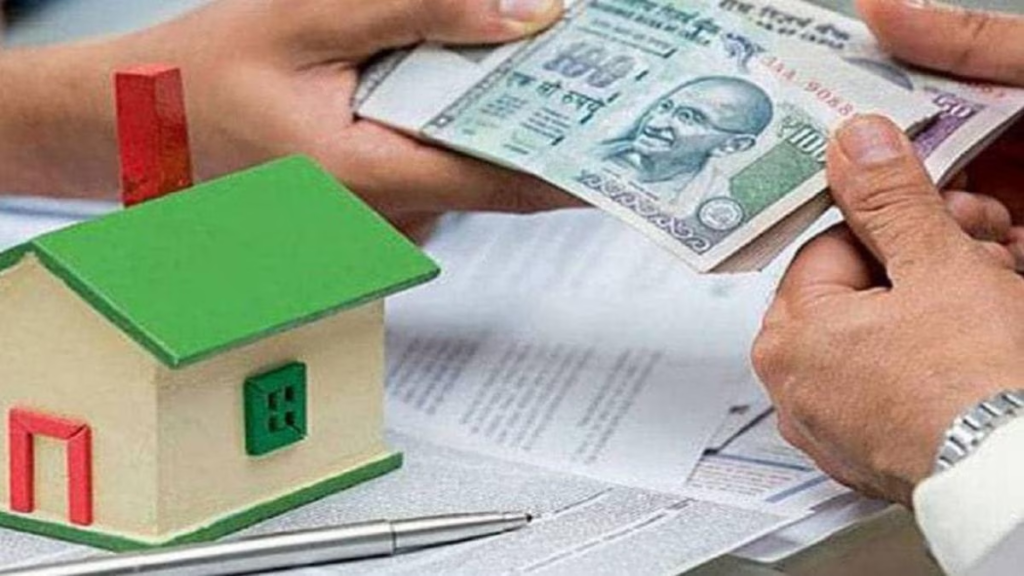
Some investors would rather buy land than a ready-built property.
There are fewer building-related maintenance concerns, and people who are comfortable waiting for several years may find land worth considering.
But land is not automatically simple.
You need to understand who owns it, whether the boundaries are clear, whether there is proper access, what the land can legally be used for, and whether the required approvals are in place.
And if a plot is unbelievably cheap compared with nearby land, don’t immediately celebrate.
Ask why.
There may be a genuine reason for the lower price. Finding that reason before buying is much better than discovering it afterward.
Don’t Rush Through the Documents
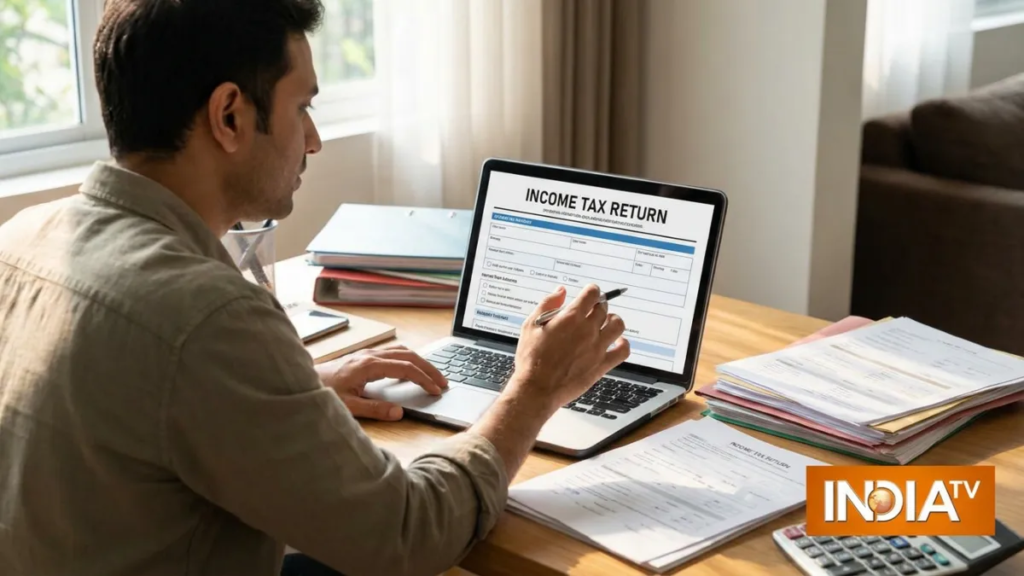
Paperwork is probably the least exciting part of property investment.
Still, it deserves your full attention.
Before paying a substantial amount, make sure the ownership and other relevant property documents are properly checked. The exact requirements can vary depending on the type of property and location.
If you don’t understand a document, don’t guess.
Ask a qualified property lawyer or appropriate professional to explain it. Paying for proper advice at this stage can save you from a much bigger problem later.
A beautiful property with complicated ownership issues is not a bargain.
Imagine Yourself as the Tenant

If rental income is your main goal, try looking at the property differently.
Don’t think like the owner for a moment. Think like the person who will actually pay you rent.
Would you want to live there?
Is the market close enough? Can you get public transport easily? Is there a hospital nearby? What about parking? Is the neighbourhood comfortable in the evening?
These everyday things matter.
People don’t rent a home just because the walls are freshly painted. They also care about convenience.
Once you understand what tenants in that area want, it becomes easier to judge whether the property has genuine rental potential.
Rising Prices Are Not a Reason to Panic

You will probably hear this sentence quite often when looking at property: “Prices are going up.”
Maybe they are.
But that alone isn’t enough reason to buy.
Try to understand what is actually creating the demand. Are more people moving into the area? Are businesses opening? Is infrastructure improving? Are buyers and tenants genuinely looking for properties there?
If you cannot answer those questions, be careful about making a decision simply because someone says prices will rise.
Property is expensive enough without adding FOMO to the calculation.
See Several Properties Before Choosing One

The first property can be surprisingly convincing.
You walk in, like the balcony, imagine your furniture in the living room and start thinking about buying it before you have even seen anything else.
Then you visit another property.
And another.
Suddenly your first choice doesn’t look quite as perfect.
That is why comparisons help. You start noticing differences in location, space, parking, maintenance, building condition and price.
You don’t need an elaborate system. Write down the important details of each property on your phone and compare them later when the excitement has settled down.
Sometimes the slightly smaller property turns out to be the better choice because the location is much more convenient.
Buying the Property Isn’t the End

This is something first-time buyers can easily underestimate.
Once the purchase is complete, the bills don’t disappear.
There can be repairs, maintenance charges, painting, plumbing, taxes, insurance and other expenses. If you rent the property out, there may also be periods when it is empty or needs work between tenants.
None of these costs may seem huge on their own.
Together, though, they can make a noticeable difference to your actual return.
So when you calculate whether you can afford a property, look beyond the purchase price.
Think About Your Time Horizon

Real estate generally requires patience.
If you are buying a property today and already wondering how quickly you can sell it for a profit, stop and think about whether this is really the right investment for you.
Selling takes time, and there are costs involved in buying and selling.
Ask yourself how long you could comfortably keep the property.
Also think about what happens if you suddenly need money. Would you have to sell the property under pressure?
A long-term investment should give you some financial stability, not leave you constantly worried about the next payment.
Be Sensible With a Property Loan

A loan can make buying property possible, but it also means committing to regular payments.
Don’t look only at the fact that a bank is willing to lend you the money.
Look at your own monthly life.
After the EMI, will you still have enough for household expenses, savings, travel, emergencies and other responsibilities?
Compare the interest rate and repayment period carefully. A longer loan may reduce the monthly payment but increase the overall interest you pay.
The goal isn’t simply to get the biggest loan possible. It is to borrow an amount you can live with comfortably.
Never Trust Photos Completely
Property photographs are useful, but they can also create a very different impression from reality.
A wide-angle camera can make a room look bigger. Good lighting can make an older interior look fresh. A carefully chosen photograph may show the nicest part of the building while leaving everything else outside the frame.
So visit.
Look at the actual building. Check the road. See the parking situation. Notice the noise. Ask about water supply. Walk around the nearby streets.
Sometimes you can understand more about a property in fifteen minutes of walking around than you can from dozens of online photographs.
Don’t Forget the Future Resale
Maybe you have no intention of selling today. That’s fine.
Still, it doesn’t hurt to think about the person who might buy the property from you someday.
Would the location still be useful? Is the layout practical? Is there decent connectivity? Are important facilities nearby?
You cannot predict exactly what the property market will look like five or ten years from now. Nobody can.
But you can avoid buying something that has very limited appeal.
Don’t Let Anyone Make the Decision for You
Property sellers and agents may sometimes create a sense of urgency.
“You need to decide today.”
“Another buyer is coming.”
“This price won’t be available tomorrow.”
Perhaps those statements are genuine. Perhaps they are simply part of the sales process.
Either way, your money deserves more than a rushed decision.
If you need another visit, take another visit. If the documents need checking, check them. If you want to compare two properties, compare them.
Walking away from one property is much easier than trying to fix a bad investment later.
Final Thoughts
There is no magic property that is guaranteed to be the best investment in 2026.
A small apartment might be perfect for one person. A commercial shop might make more sense for another. Someone else may prefer to buy land and wait patiently.
The important thing is to understand why you are buying.
If you want rental income, study the tenants and local rents. If you want long-term growth, pay attention to the area and future development. If you are buying for yourself, think about whether you would genuinely enjoy living there.
And don’t forget the boring parts. Budget, paperwork, loan costs, maintenance and resale all matter.
For me, a smart property purchase isn’t necessarily the biggest one you can afford. It is the one you understand properly before signing the papers.
Take your time. Ask uncomfortable questions. Visit the property more than once if needed. And if the numbers don’t make sense, don’t be afraid to walk away.
There will always be another property.